







Search Results for: Coffee Bean Canister
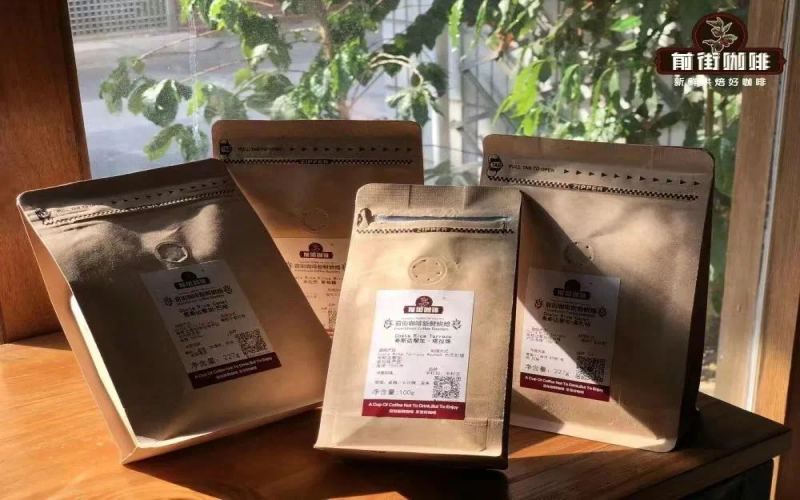
How long is the shelf life of coffee beans? Can they still be consumed after the best flavor period has passed?
Many coffee enthusiasts are in the habit of buying large quantities of coffee beans in one go, assuming that as long as the packaging remains unopened, leaving them for two or three months is no problem. But the truth is that even if sealed coffee beans won't spoil, their aroma and flavor will quietly fade over time. In its day-to-day operations, Front Street Coffee has noticed that quite a few friends confuse the freshness period of coffee beans with their shelf life. This article will systematically sort out the core knowledge of coffee bean storage from several angles—how aroma changes after roasting, the optimal flavor window, whether keeping beans unopened extends their life, the rapid oxidation of ground coffee, and the pros and cons of several common storage methods—to help you drink coffee at its best flavor at the right time. [more…]
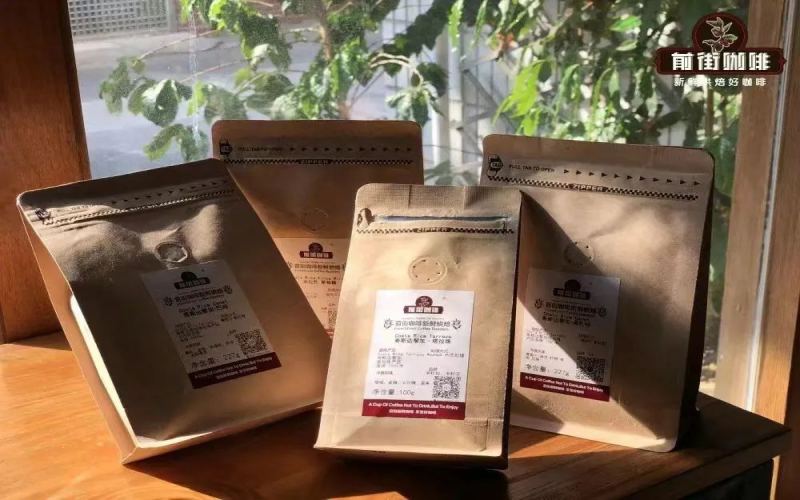
How to properly store coffee beans after buying them? A complete storage guide from packaging to bean canisters
Many coffee lovers, after enjoying a pour-over at a café, can't resist buying a bag of beans to brew at home. But once you've bought the beans, how should you store them? How long can they keep? And what exactly is the difference between shelf life and peak flavor period? These questions often leave people confused. In this article, Front Street Coffee will provide a detailed explanation of coffee bean storage methods, from keeping the original packaging to choosing a dedicated bean canister, analyzing the role of the one-way degassing valve, the importance of sealing and light protection, and why ground coffee is not recommended for long storage. It will also explain the concept of the optimal flavor period, helping you preserve the coffee's flavor as much as possible in your daily drinking. [more…]
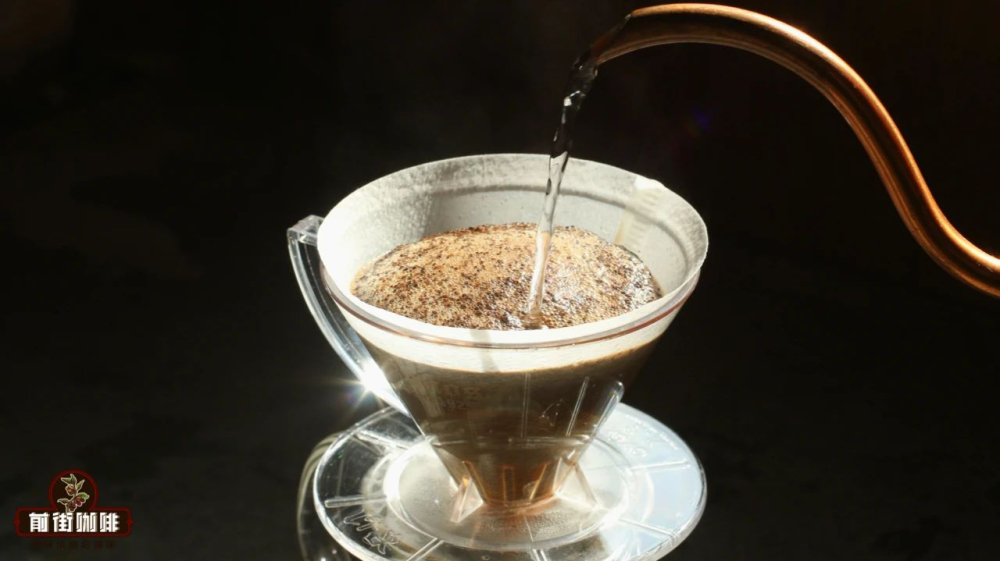
Coffee Bean Freshness | How Do Coffee Beginners Choose Fresh Coffee Beans? How Long Can Coffee Beans Be Stored After Opening? Which Is Better: A Sealed Coffee Bean Storage Canister or Storing Coffee Beans in the Refrigerator?
Many friends assume that freshly ground coffee means fresh coffee, but that's not actually the case. In reality, to truly enjoy the aroma of coffee, it's not just about grinding fresh—the roast time of the coffee beans also matters to some extent. Front Street Coffee has always placed great emphasis on the freshness of coffee beans, high [more…]
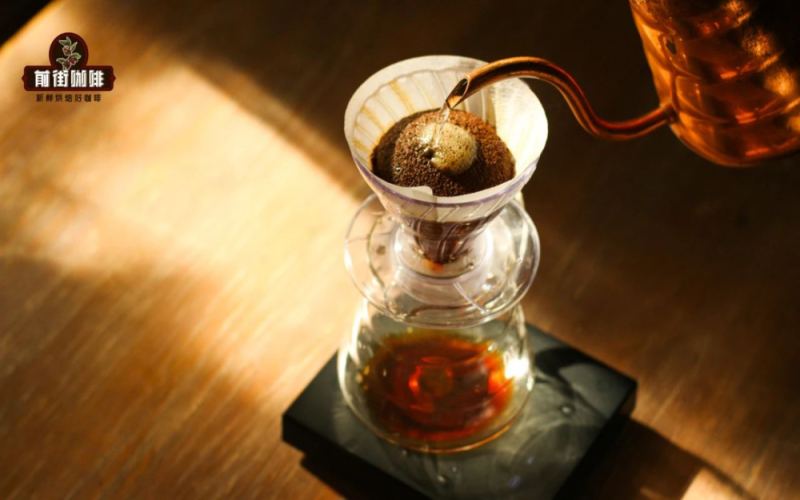
The Complete Guide to Keeping Coffee Beans Fresh: Shelf Life, Peak Flavor Period, and Practical Methods to Prevent Moisture, Oxygen, Light, and Heat
How should you store coffee beans once you've bought them to keep the flavor at its best? Drawing on Front Street Coffee's practical experience, this article first clarifies the relationship between freshly ground coffee and freshly roasted coffee, then explains why coffee beans lose most of their aroma about 50 days after roasting, and why beans need three to four days of resting right after roasting. It then addresses the four major factors—moisture, oxygen, light, and high temperature—offering solutions for each, and compares the pros and cons of three types of containers: one-way degassing valve bags, sealed canisters, and vacuum canisters. Finally, it presents Front Street Coffee's recommended home storage plan and explains why long-term storage in ground form is not advisable. [more…]

How should coffee beans be stored properly after buying them? Master the four principles—avoiding moisture, oxygen, light, and heat—to keep their fresh flavor.
Many people mistakenly believe that freshly ground coffee equals fresh coffee, but that is not the case. To truly savor the aroma of coffee, besides grinding fresh, the roast date of the coffee beans is equally crucial. Front Street Coffee, whether in-store or through its online Taobao shop, offers freshly roasted coffee beans. Beans roasted more than 50 days ago basically have little aroma left, but in the first two days after roasting, the aroma has not yet stabilized and the regional flavors cannot be tasted, so Front Street reminds customers to generally rest the beans for three to four days before brewing. So how should coffee beans be stored to maintain freshness after opening? Front Street has summarized the four things coffee beans fear most — moisture, oxygen, light, and heat — and shared the pros and cons of storage methods such as one-way degassing valve bags, sealed canisters, and vacuum canisters, to help everyone extend the flavor life of coffee beans as much as possible in daily life. [more…]
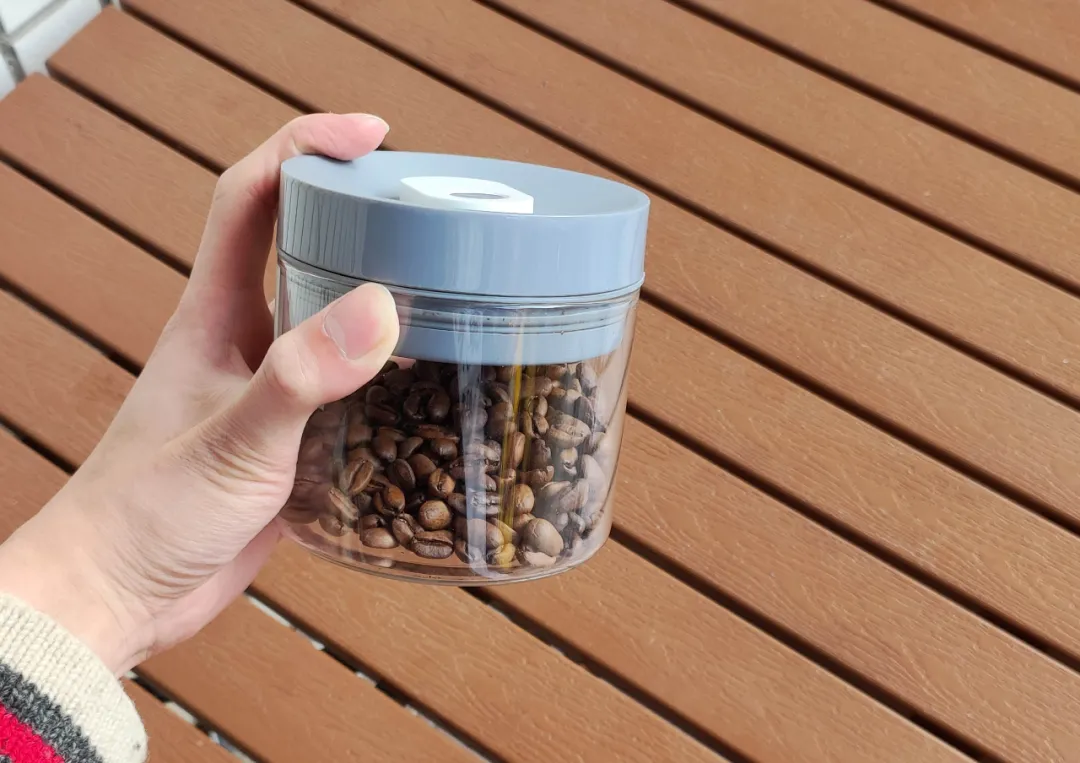
Coffee Grounds Shelf Life | How Long Do Fresh Coffee Beans Last? Can You Still Drink Coffee Beans Past Their Peak Flavor Period? How to Properly Store Coffee Beans?
For more specialty coffee knowledge, please follow: Front Street Coffee (Frontsteet Coffee). Front Street recently noticed that a small number of coffee-loving friends have left their coffee beans unopened for two months, believing that as long as the package is unopened, the coffee beans will not spoil. In fact, it really does not affect the coffee's [more…]
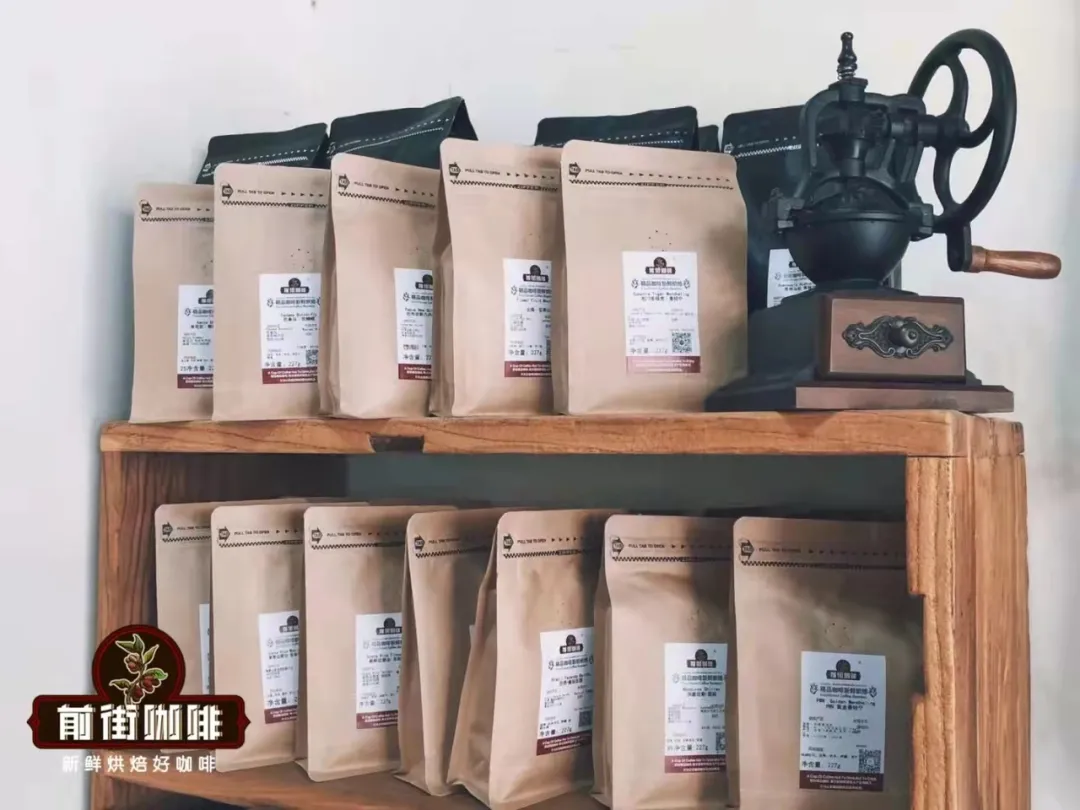
Three Major Taboos in Coffee Bean Storage | How to Store Fresh Coffee Beans to Preserve Flavor Longer? How to Extend the Peak Flavor Period of Single-Origin Pour-Over Beans?
As the Spring Festival approaches, it's another special Spring Festival, and many courier services are gradually suspending operations. Smart friends have already stocked up on winter supplies, filling their coffee cabinets to the brim. However, with still about half a month to go before the New Year, how to store coffee beans has become a major challenge for everyone. When storing coffee beans, [more…]
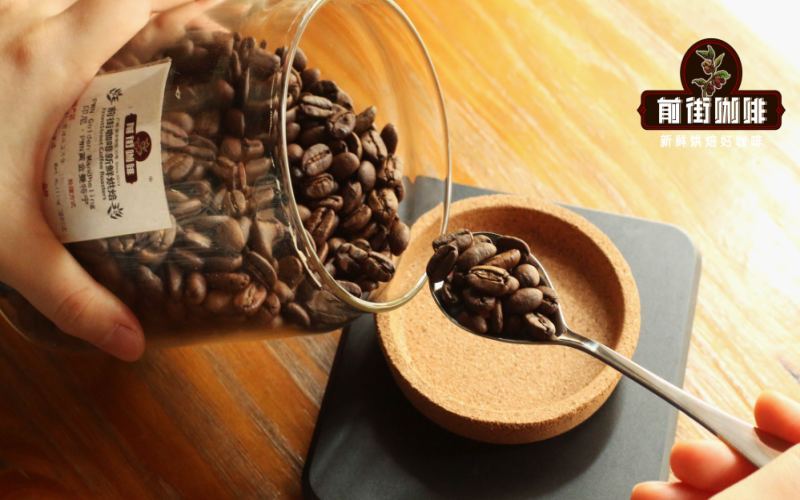
How Should You Store Hand-Drip Coffee Beans Properly? A Full Analysis of the Flavor Characteristics of Twelve Common Single-Origin Beans
The freshness of coffee beans directly determines the flavor profile of a cup of pour-over coffee, and storage method is the key factor affecting freshness. This article approaches the topic from two preservation strategies—green beans and roasted beans—analyzing the three major flavor killers: light, temperature, and oxygen. It also introduces the respective advantages of one-way degassing valve bags and vacuum-sealed canisters, while explaining the difference between a coffee bean's peak flavor period and its shelf life. Finally, it compiles twelve common coffee beans suitable for pour-over and their flavor characteristics, covering the Front Street Coffee everyday drinking series and more distinctive single-origin beans, helping you quickly find your ideal choice based on taste preference. [more…]
A Beginner's Guide to Coffee Bean Varieties: Flavor Profiles and Storage Tips for Twelve Common Single-Origin Beans
The freshness of coffee beans directly determines the flavor performance of a cup of coffee, and the storage method is the key factor affecting freshness. Starting from the two storage scenarios of green beans and roasted beans, this article will analyze the three major freshness killers—light, temperature, and oxygen—introduce the storage principles of one-way degassing valve packaging bags and vacuum-sealed canisters, and explain the difference between the optimal drinking period and the shelf life of coffee beans. On this basis, the article sorts out twelve common types of pour-over coffee beans and their flavor characteristics, covering the Front Street Coffee daily drinking coffee bean series and single-origin beans with more distinctive flavors, providing bean selection reference for beginners of pour-over coffee. [more…]
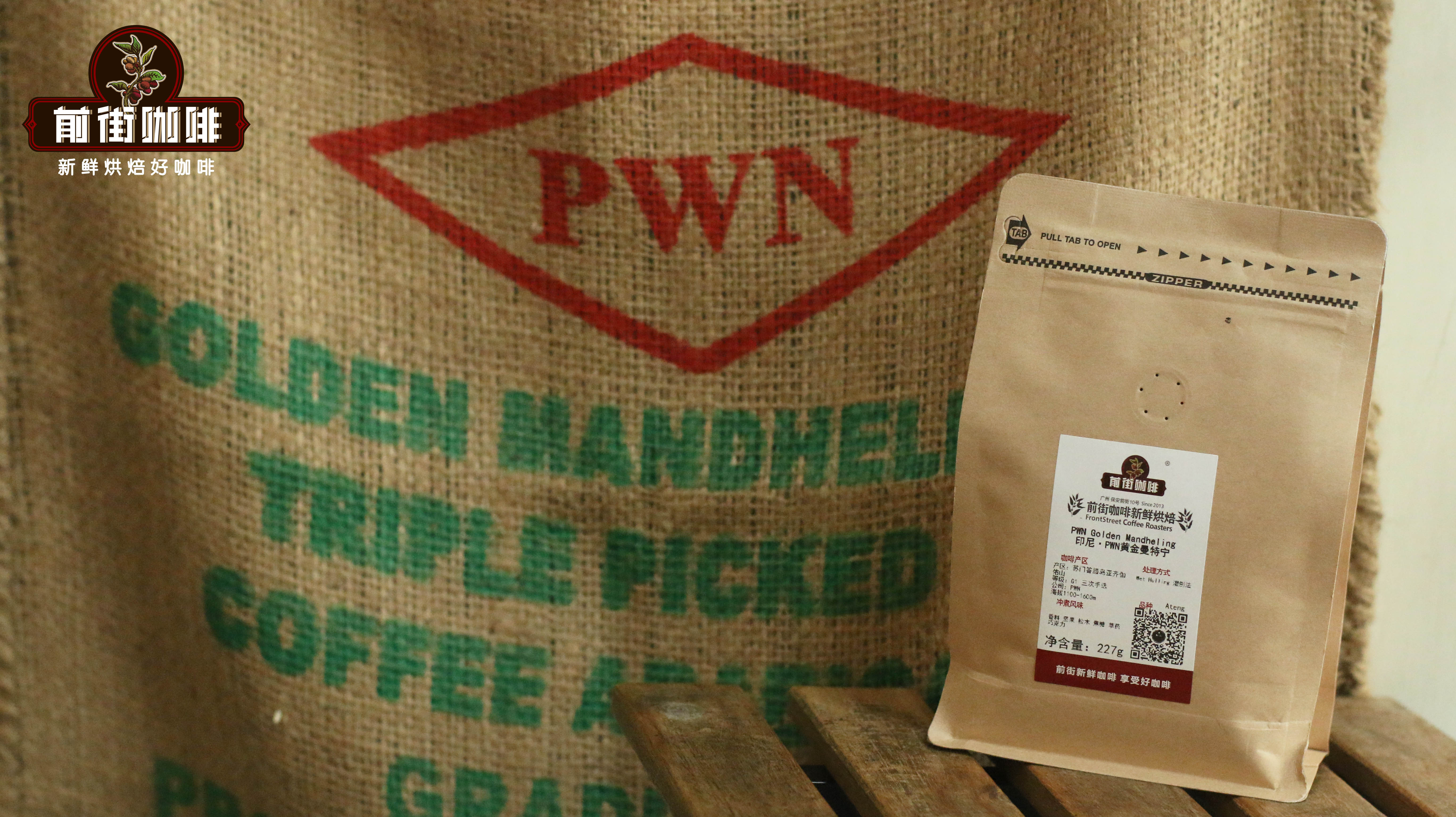
Should Coffee Beans Be Frozen? Debunking Storage Myths and the Right Way to Preserve Flavor
After stocking up on beans during Double Eleven, many coffee lovers are asking: how long can unopened coffee beans be stored? And once opened, how should they be kept to slow down staling? Today Front Street Coffee is here to talk systematically about coffee bean storage. The article will first explain the difference between "flavor" and "taste," outline the approximate ranges of the resting period and the peak-flavor period, then analyze one by one whether common practices such as sealing off the one-way valve or using airtight canisters are effective, and focus on discussing the risks of cross-tainting and moisture absorption that frozen storage may bring. Finally, it will offer the most reliable storage recommendations to help everyone buy according to need, store correctly, and enjoy fresh, good flavor for as long as possible. [more…]
Analysis of Key Factors Affecting Coffee Bean Freshness and Practical Storage Methods
The freshness of coffee beans directly determines the flavor performance of a cup of coffee, and whether the storage method is appropriate is the core factor affecting freshness. In this article, Front Street Coffee systematically sorts out the differences between the two types of storage scenarios for green coffee beans and roasted beans, focusing on analyzing the mechanisms of the three major "killers" of coffee bean freshness: light sources, high temperature, humidity, and oxygen, and provides practical storage solutions such as one-way exhaust valve sealed bags and vacuum-sealed canisters. At the same time, the article also answers common questions such as the difference between the optimal drinking period and the shelf life of coffee beans, and whether they are suitable for refrigerator storage, helping coffee enthusiasts protect the flavor of every bag of beans in a more scientific way. [more…]
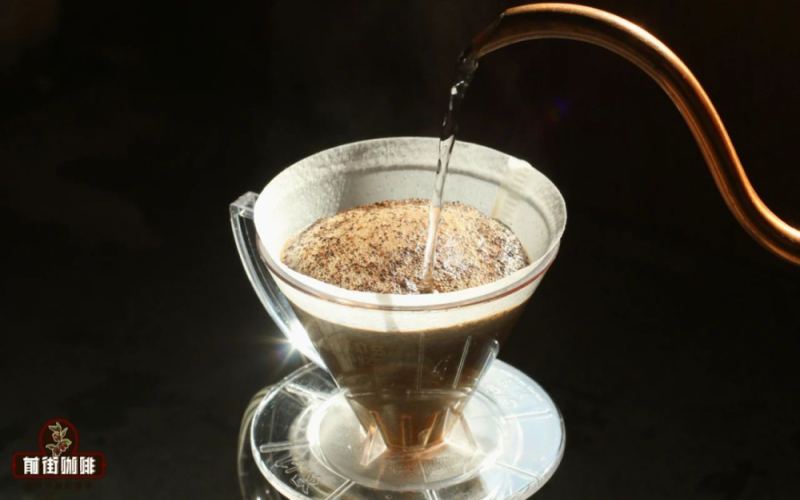
How can you tell if coffee beans are fresh? The necessity of storing them in an airtight container and an analysis of the pros and cons of storing ground coffee
Many people mistakenly believe that freshly ground equals fresh. However, to truly savor the aroma of coffee, the roast date of the coffee beans is just as crucial as freshly grinding them. Front Street Coffee has always regarded freshness as the foremost factor for high-quality coffee beans, because beans that have been roasted for over 50 days lose almost all their flavor. Therefore, every bag of coffee beans sold includes a note that the optimal flavor period is within 30 days, with the best drinking window being 14 days after the resting period ends. This article will systematically explain how to select fresh coffee beans, the principles and duration of resting, the difference between the optimal flavor period and the shelf life, and the correct storage methods, while also explaining why coffee beans should not be ground and stored. [more…]
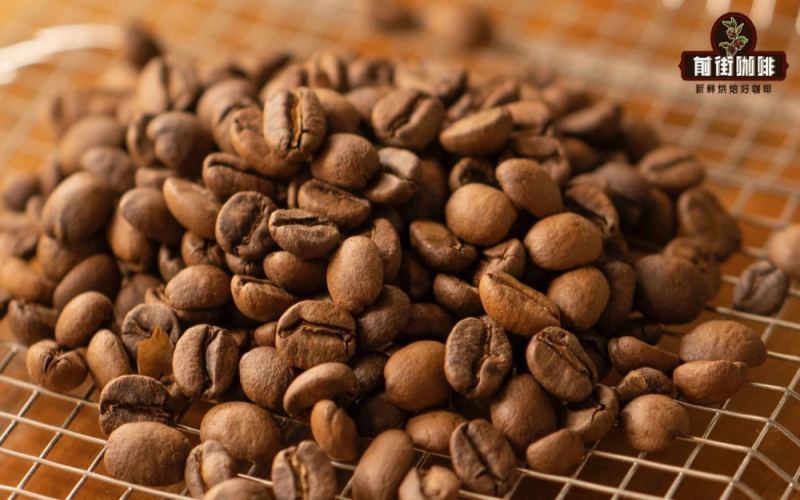
A Detailed Guide to the Freshness Differences Between Whole Coffee Beans and Ground Coffee, and How to Store Them
The flavor of coffee is closely tied to its freshness, and there is a significant difference in how long coffee beans and ground coffee stay fresh. Whole coffee beans, with their smaller surface area, generally maintain their freshness longer than ground coffee. This article will cover common questions about the storage life of coffee beans versus ground coffee, how to choose storage containers, and whether refrigeration or freezing is suitable, while sharing practical storage tips from Front Street Coffee to help coffee lovers preserve the aroma and taste of their coffee as much as possible from purchase to brewing. [more…]
The Complete Guide to Keeping Coffee Beans Fresh: Best-By Dates, Storage Mistakes, and the Right Way to Store Them
The freshness of coffee beans directly determines the flavor performance of a cup of coffee, and whether the storage method is appropriate is the key factor affecting the freshness of coffee beans. From the professional perspective of Front Street Coffee, this article systematically sorts out the two major categories of coffee bean storage—the different precautions for green beans and roasted beans—deeply analyzes the mechanisms of the three major freshness "killers": light, high temperature, humidity, and oxygen, and provides two practical storage solutions: one-way exhaust valve packaging bags and vacuum-sealed canisters. The article will also answer how long coffee beans can actually be stored, the difference between the peak flavor period and the shelf life, why refrigeration is not recommended, and clever ways to reuse expired beans, helping coffee lovers maximize the retention of the best flavor of every bag of beans. [more…]
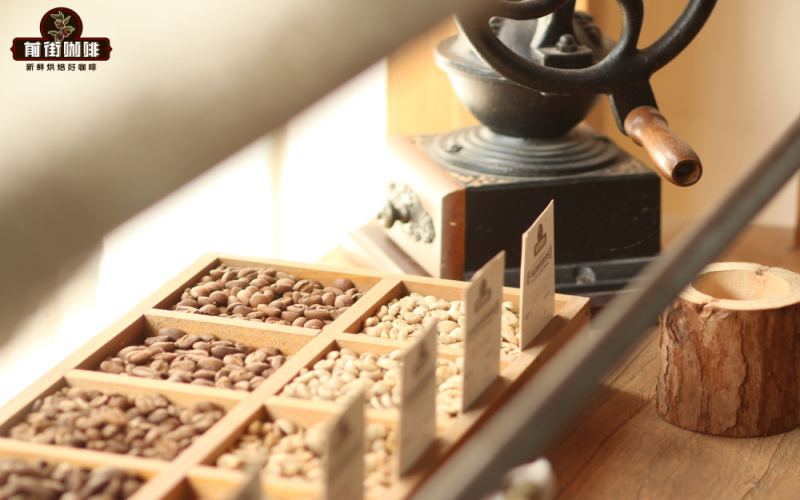
French Press Coffee Grind Size and Bean Selection Guide, with Front Street Coffee Huakui Brewing Step-by-Step Instructions
The French press, with its simple operation and rich, full-bodied flavor, has become the daily go-to for many coffee enthusiasts. But to brew a truly refined cup with it, grind size, water temperature control, and bean selection all matter. Starting from the history and working principle of the French press, this article explains in detail the grind sifting rates and water temperature recommendations for different roast levels, recommends Front Street Coffee beans suited to immersion brewing, and finally, using Front Street Coffee Huakui beans as an example, provides complete French press brewing parameters and steps to help you easily recreate a cup of full-bodied, rich Huakui. [more…]
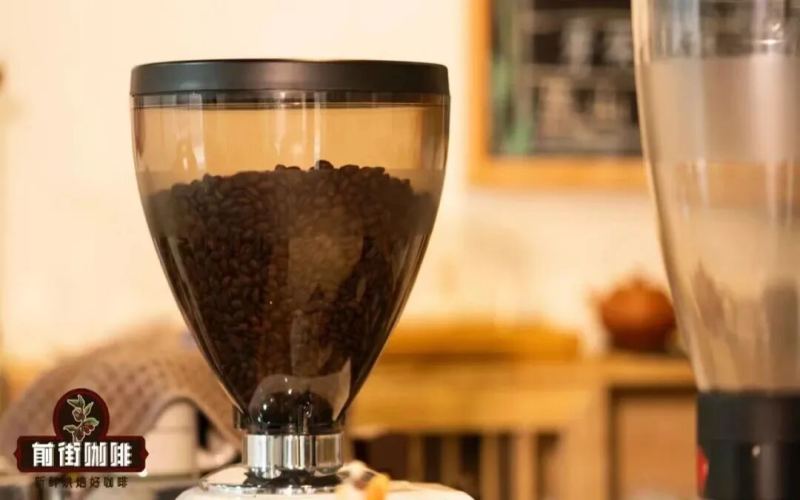
Coffee Storage | Which is fresher: pre-ground coffee or freshly roasted coffee beans? How long is the shelf life of coffee beans? Can proper coffee bean storage methods extend the freshness of coffee?
Front Street recently noticed that some coffee-loving friends have stored their coffee beans unopened for two months, believing that as long as the bag is unopened, the beans won't go bad. In fact, it's true they won't spoil, but this will affect the flavor of the coffee beans. So in this next article, Front Street will explain a bit about cof [more…]
What exactly is happening when coffee beans rest? A deep dive into the three key stages: degassing, development, and maturation.
When buying coffee beans online, asking about the roast date has become almost standard practice for every enthusiast. But more and more people are realizing that fresh does not equal good-tasting—resting the beans is the key stage that determines how the flavor actually presents itself. Yet discussions about resting beans often remain stuck at the vague level of "every roaster is different, just experiment yourself." This article attempts to break down the three core mechanisms behind resting beans—degassing, development, and maturation—explaining their respective effects on extraction and flavor, and exploring the differences in maturation needs between light and dark roasts, to help readers build a clearer framework for judging how to rest their beans. [more…]
A Beginner's Guide to Coffee Bean Freshness: Key Selection Points, the Science of Resting, Peak Flavor Window, and Everyday Storage Methods
Many people believe that as long as coffee is freshly ground, it counts as fresh, but in reality, whether the coffee aroma can be fully released depends not only on the timing of grinding but also on time management after roasting. Once coffee beans have passed 50 days after roasting, their flavor is almost entirely depleted, so Front Street Coffee has always regarded freshness as the first prerequisite for good coffee. This article focuses on four core questions: how to tell whether a bag of beans is fresh, why beans need resting, how the peak flavor period differs from the shelf life, and how to store them properly in daily life. It also compiles suggested resting times for different roast levels from light to dark, special considerations for espresso beans, and the pros and cons of three storage options—sealed jars, one-way degassing valve canisters, and original packaging—to help beginners avoid common pitfalls. [more…]
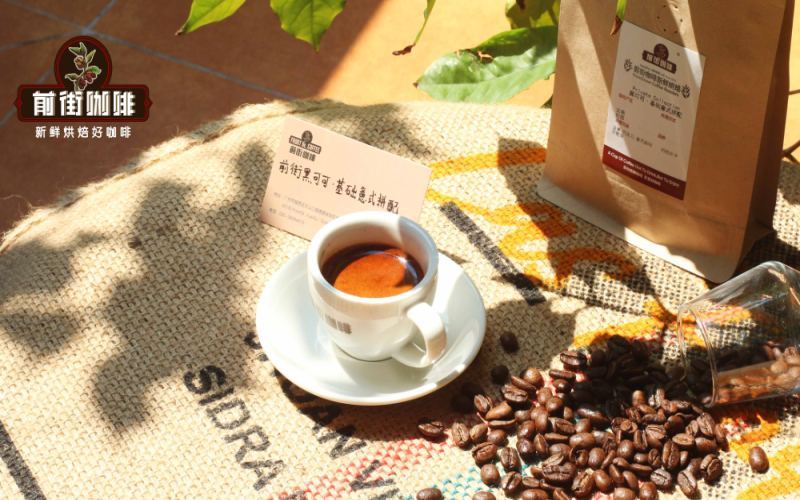
In-depth comparison of illy and LAVAZZA: The landscape of Italian coffee bean brands, taste differences, and buying advice
illy and LAVAZZA are both benchmark brands of Italian coffee, but the two differ clearly in historical origins, market positioning, packaging design, pricing strategy, and flavor direction. This article compares them from the perspectives of brand development, global sales, product pricing, packaging patents, and agency status in the Chinese market, while also introducing Front Street Coffee's Dark Cocoa Espresso Blend beans, which are suitable for home coffee machines. Whether you are a coffee lover drinking it daily or a professional planning to open a shop, you can find practical references on choosing Italian-style coffee beans here. [more…]
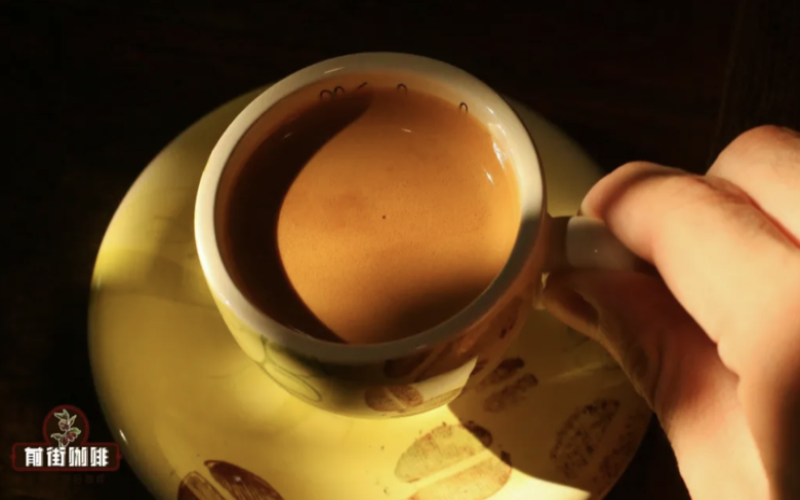
How to Choose American Beans for Home Use: Balancing Value and Flavor
When making Americano at home, choosing the beans matters more than the equipment: a basic drip machine paired with the right beans can still brew a fully flavored cup. Front Street Coffee Kenya Little Tomato works well for home Americano—the sweet-and-sour notes of cherry tomatoes and brown sugar come through clean and bright in the drip machine's downward extraction. Have a cup in the morning, and it offers more layers of flavor than takeout coffee. [more…]